
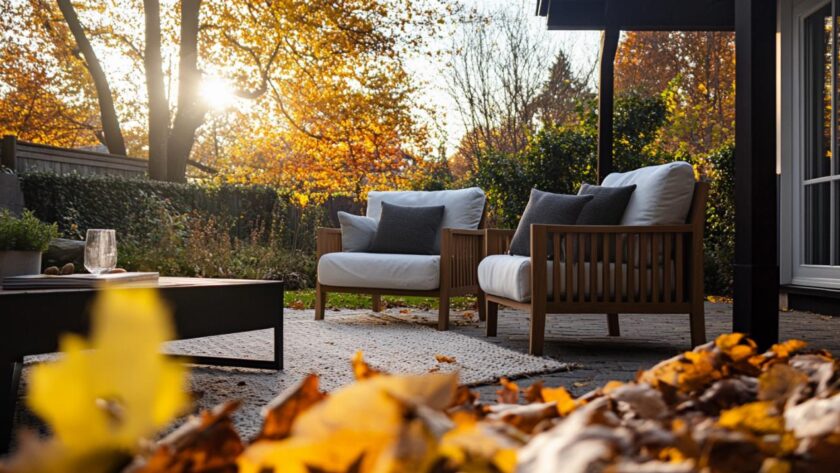
When the British weather begins to turn, protecting your garden furniture becomes a top priority. Choosing the right outdoor furniture covers requires more than simply grabbing the first option available at the local shop. Understanding the key factors that contribute to effective weather protection ensures that your garden remains inviting and your furniture lasts for years to come. From understanding proper sizing to evaluating materials and features, making informed choices guarantees that you can enjoy your outdoor space without worrying about the elements damaging your investment.
Getting the Right Fit: Measurements and Sizing
Why accurate measurements are essential
Taking accurate measurements stands as the foundation of selecting outdoor furniture covers that truly protect your belongings. Many homeowners make the mistake of guessing dimensions, leading to covers that leave parts of their furniture exposed to rain, snow, and wind. Before purchasing any protective cover, use a tape measure to determine the length, width, and height of your furniture pieces. When recording these dimensions, allow for a margin of approximately five centimetres to ensure a comfortable fit without pulling the fabric taut. This extra space accommodates the natural contours of cushions and armrests whilst still providing comprehensive coverage. If you have uniquely shaped furniture or awkward configurations, companies such as Bags & Covers Direct in Wakefield offer made-to-measure covers tailored precisely to your requirements.
Avoiding covers that are too tight or too loose
Finding the balance between a snug fit and adequate coverage can be surprisingly challenging. Covers that are too tight risk tearing at the seams when stretched over furniture, particularly around corners and armrests. Conversely, overly loose covers flap about in gusty conditions, allowing rain to seep underneath and potentially becoming damaged by abrasive rubbing against the furniture's surface. A properly fitted cover should drape comfortably over all surfaces with enough fabric to tuck securely without excessive material pooling at the base. Rectangular covers, for instance, work brilliantly for standard dining sets, whilst bespoke shapes suit more intricate arrangements. Avoid the temptation to stack chairs atop tables under a single cover, as this often leads to uneven protection and places unnecessary strain on both the furniture and the covering material.
Selecting the Best Fabric and Materials
Water-resistant versus waterproof options
Understanding the distinction between water-resistant and waterproof fabrics proves crucial when selecting outdoor furniture covers. Water-resistant materials repel light rain and moisture to a certain degree but may eventually allow water penetration during prolonged downpours. Waterproof fabrics, by contrast, create an impermeable barrier that prevents any moisture from reaching the furniture beneath. For the unpredictable British climate, opting for genuinely waterproof materials offers superior protection, particularly if your furniture remains outdoors year-round. The GoodHome Hamilton Grey Rectangular Dining Set Cover, available from B&Q, exemplifies excellent water repellent qualities whilst maintaining affordability. When examining product specifications, look for clear labelling that confirms waterproof capabilities rather than settling for vague marketing terminology.
Choosing materials that withstand sun and rain
The best outdoor furniture covers utilise materials engineered to endure both intense sunlight and heavy precipitation. Ripstop polyester stands out as a particularly robust option, offering durability whilst remaining lightweight and easy to handle. This fabric class seven material resists tearing and maintains its integrity even when subjected to harsh conditions over extended periods. UV resistance represents another critical factor, as prolonged sun exposure causes many fabrics to fade, weaken, and eventually deteriorate. The Aerocover Rectangle Garden Set Cover, recognised as a best buy option at Dunelm for sixty-three pounds and twenty pence, incorporates UV-resistant properties that prevent degradation. Oxford fabric also delivers impressive performance, combining strength with weather resistance, as demonstrated by the Outsunny 600D Oxford Set Cover available at Robert Dyas. Selecting covers with reinforced seams further enhances longevity, as these stress points often fail first on lesser-quality products.
The importance of proper ventilation
Preventing condensation and mould build-up
Whilst waterproof protection seems ideal, covers that completely seal in furniture create their own set of problems. Trapped moisture from condensation leads to mould, mildew, and rust developing on furniture surfaces, particularly during temperature fluctuations common in British weather. When warm air beneath the cover meets cooler external temperatures, condensation forms and collects on furniture surfaces with nowhere to escape. Breathable fabrics incorporate a membrane that allows air circulation whilst still repelling water, striking the perfect balance between protection and ventilation. The Enzeno Garden Covers, priced at fifteen pounds and ninety-nine pence on Amazon, excel in breathability, making them an excellent choice for preventing moisture-related damage. Non-breathable covers might seem more protective at first glance, but the long-term damage from trapped moisture often outweighs any short-term benefits.
Identifying covers with effective vent features
Many high-quality outdoor furniture covers incorporate built-in vents specifically designed to facilitate air movement without compromising weather protection. These vents typically feature mesh panels positioned strategically on the sides or underneath the cover, allowing moisture to escape whilst preventing rain from entering. When shopping for protective covers, examine product descriptions and images carefully to identify visible ventilation features. Some manufacturers integrate subtle venting systems into the design, making them less obvious but equally effective. The combination of breathable fabric and dedicated vents provides optimal protection, ensuring that furniture remains dry from both external weather and internal condensation. During your selection process, prioritise covers that explicitly mention breathable membranes or ventilation systems in their specifications.
Ensuring a Secure and Stable Fit
Understanding straps, buckles, and drawstrings
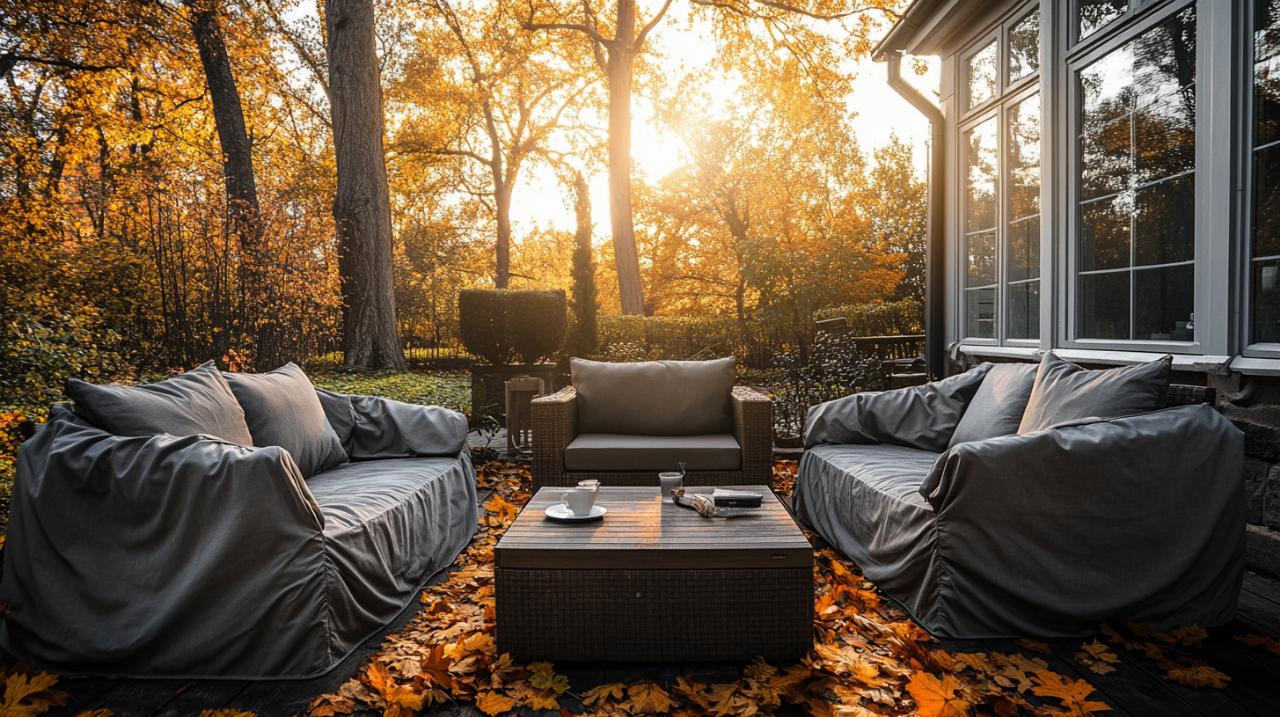
Even the most perfectly sized cover proves useless if it cannot remain securely in place during adverse weather conditions. Quality outdoor furniture covers incorporate various fastening mechanisms to ensure stability, with straps, buckles, and drawstrings being the most common options. Adjustable straps with click-release buckles offer excellent versatility, allowing you to tighten the cover precisely to your furniture's dimensions. Drawstrings threaded through the hem provide a simple yet effective method for cinching the cover snugly around the base, preventing wind from lifting the edges. Some premium covers combine multiple securing methods, such as the VonHaus Garden Furniture Cover priced at twenty-nine pounds and ninety-nine pence, which features heavy-duty fasteners designed for maximum stability. When evaluating securing mechanisms, test the quality of buckles and the strength of cords, as cheaper components often fail precisely when you need them most.
Keeping covers in place during windy conditions
British gardens frequently experience strong winds that can wreak havoc on inadequately secured furniture covers. A cover that blows off during a storm leaves furniture completely exposed and may itself become damaged or lost. Beyond built-in fastening systems, consider the placement of your furniture in relation to natural windbreaks such as walls, hedges, or fences. Positioning covered furniture in more sheltered locations reduces wind exposure significantly. Additionally, ensuring that covers reach sufficiently close to the ground prevents wind from catching underneath and lifting the entire covering. The Sol 27 Outdoor Patio Dining Set Cover, available at Wayfair for thirty-seven pounds and ninety-nine pence, exemplifies rectangular covers designed with wind resistance in mind. For particularly exposed locations, supplementary methods such as weighted hem corners or additional tie-downs provide extra security during severe weather events.
Prioritising durability and longevity
Reinforced seams and quality construction
The construction quality of outdoor furniture covers directly correlates with their lifespan and effectiveness. Reinforced seams represent one of the most critical aspects of durable cover construction, as these junction points experience the greatest stress during use. Double-stitched seams with reinforced threading resist splitting even when covers are repeatedly stretched during installation and removal. The Charles Bentley Black Garden Premium Rectangular Cover, offered at forty-nine pounds through Next, demonstrates excellent value whilst maintaining high construction standards. When examining potential purchases, inspect seam quality closely, looking for tight, even stitching without loose threads or gaps. Cheaper covers often skimp on construction quality, resulting in premature failure at seams despite the main fabric remaining intact. Investing in well-constructed covers ultimately proves more economical than repeatedly replacing inferior products.
UV Protection to Prevent Fading and Wear
Ultraviolet radiation from sunlight presents a significant threat to outdoor furniture covers, causing colours to fade and materials to become brittle over time. UV protection technology integrated into fabric construction prevents this degradation, maintaining both aesthetic appeal and structural integrity throughout multiple seasons. Companies with extensive experience, such as those operating for forty years with over three hundred stores worldwide, typically incorporate advanced UV-resistant treatments in their product lines. The Garland 6 Seater Rectangular Furniture Set Cover, priced at forty-five pounds at Dunelm, showcases weather-resistant properties including UV protection. When comparing products, look for specific mentions of UV resistance ratings or sun protection factors in product specifications. Covers lacking UV protection may appear adequate initially but often deteriorate rapidly when exposed to sustained sunlight, particularly during summer months.
Maintenance and Ease of Cleaning
Simple wipe-down and washing methods
Regular maintenance extends the lifespan of outdoor furniture covers whilst ensuring they continue providing optimal protection. The most convenient covers allow for straightforward cleaning methods, typically requiring only a damp cloth and mild detergent for routine maintenance. Dirt, pollen, and bird droppings accumulate on covers throughout the season, and addressing these deposits promptly prevents them from becoming ingrained in the fabric. Some covers are suitable for machine washing, offering the ultimate convenience for thorough cleaning. The Funshot Garden Furniture Cover, available at Dunelm for sixteen pounds and ninety-nine pence, represents an excellent budget option that maintains ease of care. Before washing any cover, always consult manufacturer instructions to avoid damaging waterproof coatings or breathable membranes. Allowing covers to dry completely before storage prevents mildew development and unpleasant odours.
Reducing hassle with low-maintenance covers
Busy lifestyles demand practical solutions that minimise time spent on garden upkeep. Low-maintenance covers feature materials that resist staining and shed dirt naturally, reducing the frequency of required cleaning. Smooth polyester fabrics often prove easier to maintain than textured materials that trap debris in their weave. The Kettler Palma Low Companion Set Protective Cover, priced at fifty pounds directly from Kettler, exemplifies fitted furniture covers designed for minimal maintenance requirements. When selecting covers, consider how frequently you realistically will clean them and choose materials accordingly. Covers positioned under trees or in areas with heavy bird activity naturally require more frequent attention than those in cleaner environments. Opting for darker colours can cleverly disguise minor staining between cleanings, though lighter shades often reflect heat more effectively during sunny periods.
Practical storage solutions for off-season
Storing covers when not in use
As the weather improves and you wish to enjoy your outdoor furniture uncovered, proper storage of protective covers ensures they remain in excellent condition for future use. Before storing any cover, ensure it is completely clean and thoroughly dry to prevent mould and mildew developing during storage. Folding covers neatly rather than cramming them into storage spaces prevents permanent creasing that may compromise waterproof coatings. Garden sheds, garages, or dedicated outdoor storage boxes provide suitable environments for cover storage, protecting them from rodents and excessive moisture. Some homeowners discover our beautiful rural homes offer ample storage space for seasonal items, making the transition between covered and uncovered furniture more manageable. If storage space proves limited, consider whether you truly need to remove covers entirely or might benefit from lighter-weight summer covers that provide protection against UV damage and debris whilst allowing more air circulation.
Using storage bags and containers effectively
Purpose-designed storage bags offer an excellent solution for keeping furniture covers organised and protected when not in use. These bags, often included with premium covers or available separately, typically feature drawstring closures and are constructed from durable materials resistant to moisture and pests. A large rectangular light-duty bag measuring 160 centimetres by 68 centimetres by 10 centimetres provides ample space for most standard covers. Labelling storage bags clearly helps identify specific covers when the time comes to protect furniture again, particularly if you own multiple covers for different furniture pieces. Containers with secure lids work equally well, offering rigid protection against crushing and providing stackable storage solutions. Regardless of your chosen storage method, positioning covers in dry, well-ventilated areas away from direct sunlight preserves their condition. Taking time to store covers properly demonstrates the same care you invest in protecting your furniture, ensuring everything remains ready for use when needed.