
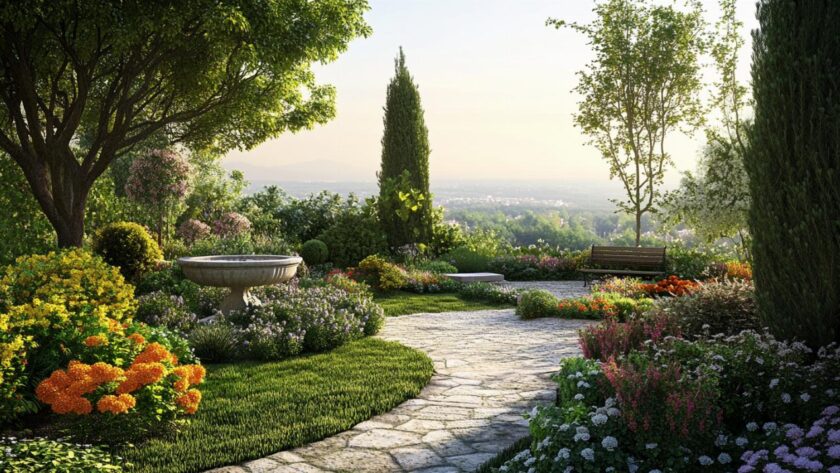
Transforming your outdoor space into a sanctuary that marries natural beauty with thoughtful design requires more than just planting a few flowers and hoping for the best. Whether you're working with a sprawling plot or a modest courtyard, the art of creating an environment that offers both visual delight and functional elegance lies in careful planning and a keen understanding of your space's unique characteristics. From selecting the perfect perennials to incorporating structures that frame and enhance your surroundings, every decision contributes to the overall atmosphere. With a touch of creativity and some practical know-how, you can craft a landscape that invites relaxation and admiration throughout the seasons.
Planning your garden layout for maximum visual impact
Before you begin digging or planting, it's essential to take a step back and truly assess what your outdoor area has to offer. Every garden, regardless of size, has its own personality shaped by topography, soil quality, existing vegetation, and the direction of sunlight throughout the day. Understanding these elements is the foundation of any successful landscape design. Start by walking around your space at different times of day to observe how light and shadow move across it. This practice, often referred to as sun mapping, helps you identify which areas bask in full sun and which remain shaded, guiding your choices for plant placement and seating arrangements. A garden that takes advantage of natural features such as gentle slopes, mature trees, or even an existing wall can be transformed into a cohesive design that feels both intentional and effortless.
Assessing your outdoor space and natural features
The first step in landscape design is to recognise the inherent qualities of your plot. Soil composition, drainage patterns, and microclimates all play a role in determining which plants will thrive and where you should position key features. If your garden slopes, consider how this can be turned into an advantage with terracing or retaining walls that create distinct zones. Raised beds not only improve drainage and soil quality but also add visual interest by introducing different levels into the design. For those fortunate enough to have beautiful gardens and stunning views already present, the goal becomes framing and enhancing these assets rather than competing with them. Even in smaller spaces, a thoughtful assessment can reveal opportunities for vertical gardening, such as using trellises for climbing plants or installing living walls that maximise greenery without consuming precious ground space.
Designing focal points and sightlines
Once you've mapped out the practicalities, the next stage is to create focal points that draw the eye and guide movement through the garden. A well-placed arbour draped in fragrant climbers, a striking gabion feature filled with local stone, or a simple garden bench positioned to capture the evening sun can all serve as anchors for your design. Curved paths, whether crafted from stone or gravel, invite exploration and add a sense of flow that straight lines cannot replicate. These curves soften the overall aesthetic and encourage visitors to meander, discovering new perspectives as they go. Garden zoning is another powerful technique, especially in larger plots. By dividing the space into distinct areas such as a dining zone, a quiet reading nook, or a vegetable garden with raised beds, you create a sense of purpose and variety. Each zone can have its own character while still contributing to a unified whole. Sightlines are equally important; positioning furniture based on sun exposure and views ensures that every seat offers something worth looking at, whether it's a carefully curated border of colourful perennials or a distant tree canopy framed by a pergola.
Selecting Plants and Features to Enhance Your Garden Views
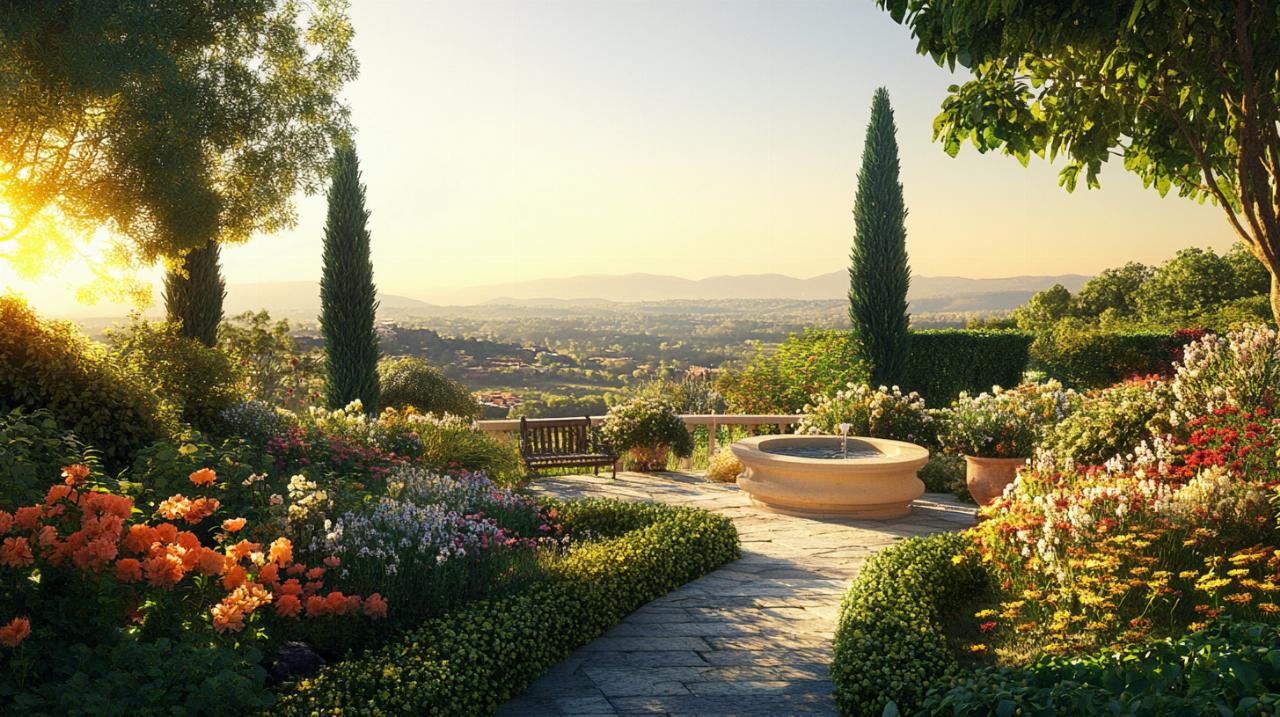
With the layout established, attention turns to the elements that will populate and define your garden. The choice of plants, structures, and decorative features can make or break the visual harmony you're striving for. A low-maintenance garden doesn't mean sacrificing beauty; it simply requires choosing hardy plants and evergreens that offer year-round interest without demanding constant attention. Incorporating water features, pergolas, and other garden structures adds layers of texture and height, transforming a flat expanse into a dynamic landscape that captivates from every angle.
Choosing the Right Plants for Year-Round Interest
Selecting the right plants for the right place is a cornerstone of successful garden design. Consider the mature size of each plant, its seasonal behaviour, and how it will interact with its neighbours. Hardy shrubs and evergreens provide structure and stability, ensuring that your garden never looks bare even in the depths of winter. Plants awarded the Award of Garden Merit by the Royal Horticultural Society are a reliable choice, having been tested for their performance and resilience. For those seeking a cottage garden aesthetic, mixing perennials with self-clinging climbers creates a lush, romantic feel without requiring constant upkeep. Gravel gardens, meanwhile, offer a contemporary alternative that reduces watering and weeding while showcasing drought-tolerant species. Mulches are invaluable for moisture retention and weed suppression, and they also contribute to a tidy, polished appearance. Landscape layering, where you arrange plants in foreground, midground, and background tiers, adds depth and prevents the garden from appearing flat. This technique works beautifully in both large and small spaces, as it creates the illusion of a more expansive area.
Incorporating water features and garden structures
Beyond plants, the inclusion of structures and features brings a garden to life. A pergola not only provides shade but also serves as a framework for climbing plants, creating a living canopy that evolves with the seasons. Vertical gardening with plant pots mounted on walls or fences maximises space and introduces greenery at eye level, which is particularly effective in urban settings. Rock gardens and Mediterranean-inspired designs bring a sense of tranquillity and work well in sunny, well-drained areas. For those who enjoy entertaining, an outdoor kitchen or garden bar transforms the space into a social hub, while a fire pit adds warmth and ambience on cooler evenings. Water features, whether a simple pond or a more elaborate fountain, introduce movement and sound, enhancing the sensory experience. Raised patios elevate seating areas, offering better views and a sense of elevation that makes the garden feel grander. Garden furniture, carefully chosen to complement the overall style, should be both comfortable and weather-resistant. White walls paired with white furniture create a clean, modern look, while rustic garden benches lend a more informal, welcoming vibe. Steps and curved paths not only facilitate movement but also contribute to the narrative of the space, guiding visitors through a journey of discovery. Even in a shade garden, where sunlight is limited, the strategic use of light-coloured plants and reflective surfaces can brighten the atmosphere. Embracing a bit of wildness, as some low-maintenance garden tips suggest, can also add character and support wildlife-friendly and eco-friendly design principles, enriching the ecosystem and creating a space that feels alive and ever-changing.